
Small Home, Big Living: 2026 Minimalist Home Trends and Their Connection to Energy Efficiency
30 April 2026The rapidly changing dynamics of modern life are driving individuals toward simpler, more functional, and sustainable living spaces. In 2026, minimalist home trends are no longer just an aesthetic preference but have become a strong reflection of environmental responsibility and energy efficiency. The “less stuff, more living” approach is transforming into a lifestyle philosophy that supports both individual well-being and the future of the planet.
Why Is Minimalism on the Rise?
With increasing urbanization, shrinking living spaces, and growing sustainability awareness, the minimalist lifestyle is being adopted more widely. Especially for individuals living in big cities, small yet functional homes mean lower costs, less consumption, and greater freedom.
Minimalism also offers mental clarity. Fewer belongings mean less clutter and lower stress levels. This approach enhances quality of life while fundamentally transforming consumption habits.
Key Minimalist Home Trends for 2026
- Multi-Functional Spaces and Modular Design
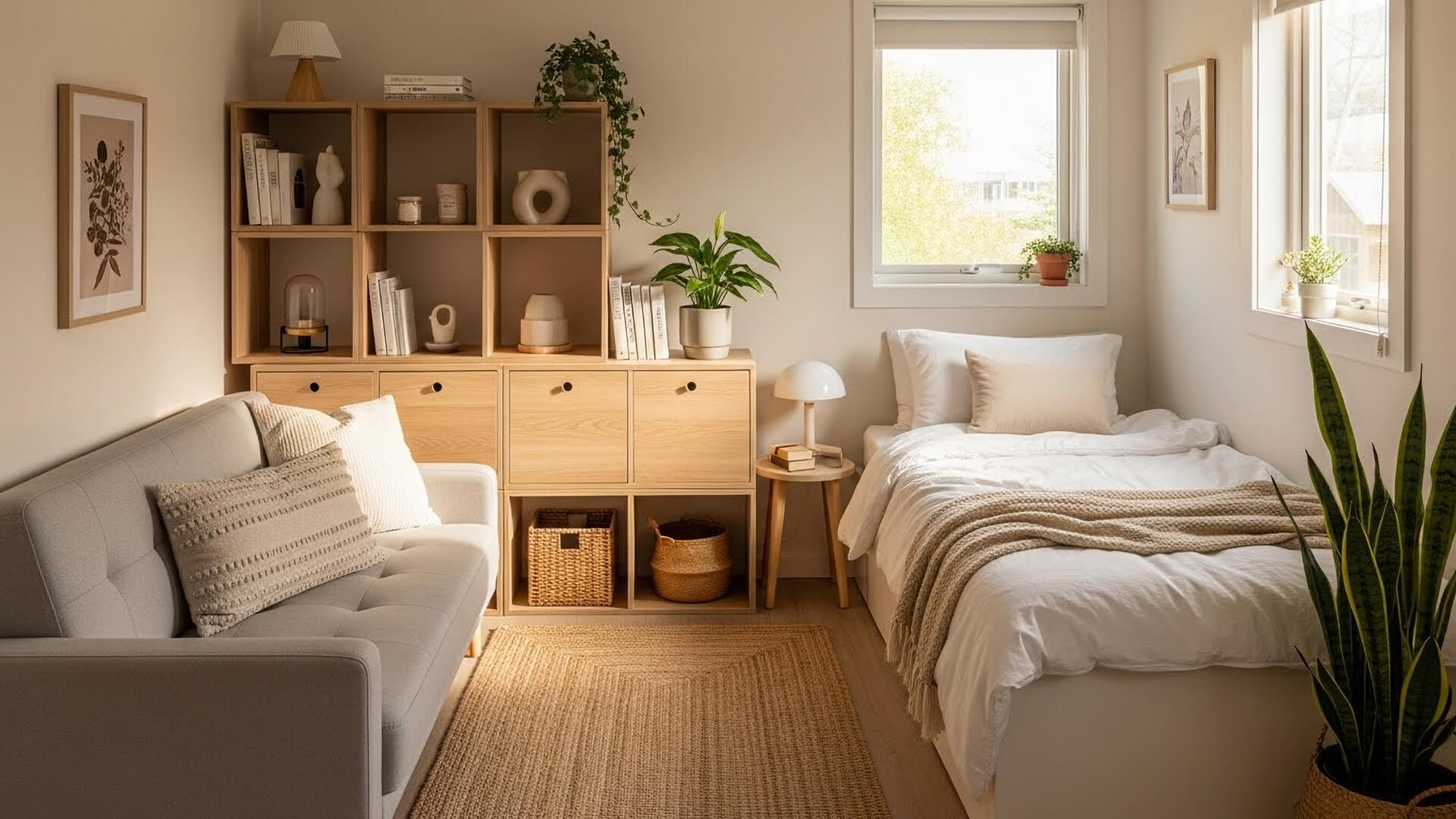
In 2026, homes are no longer made up of rooms serving a single purpose. Foldable beds, hidden kitchen units, and modular furniture allow the same space to serve different functions throughout the day. This approach maximizes the efficient use of square meters.
- Natural Light and Open-Plan Layouts
Large windows and open-plan layouts are at the forefront of minimalist homes. Maximizing daylight reduces energy consumption while making living spaces feel more spacious.
- Smart Home Technologies
Minimalist homes in 2026 are integrated with technology. Smart thermostats, energy-optimizing systems, and sensor-based lighting minimize unnecessary energy use.
- Sustainable and Recyclable Materials
Wood, bamboo, recycled metal, and low-carbon materials are among the essentials of minimalist design. These materials are both eco-friendly and long-lasting solutions.
- The “Tiny House” Movement
The tiny house movement is becoming even more widespread in 2026. These homes, typically between 20–50 square meters, stand out with minimal energy consumption and low living costs.
The Strong Link Between Minimalist Homes and Energy Efficiency
One of the most important advantages of minimalist living is its direct contribution to energy savings. Smaller spaces mean lower energy needs. Core energy consumption areas such as heating, cooling, and lighting are significantly reduced.
Less Space, Less Energy
In smaller homes, the volume that needs to be heated or cooled is reduced. This directly reflects on energy bills.
Efficient Appliance Use
Minimalist homes generally favor fewer but more efficient (A+++ class) appliances. These provide significant savings in the long term.
Reduction of Unnecessary Consumption
Minimalism embraces the idea of “consuming only what is needed.” This approach extends beyond possessions and also shapes energy use.
Integration of Renewable Energy
Small homes can be more easily integrated with renewable energy systems such as solar panels. This increases energy independence.
Environmental Impact of Minimalist Living
Minimalist home trends not only provide individual savings but also help reduce carbon footprints. Less resource use, less waste production, and lower energy consumption significantly reduce environmental pressure.
This approach also aligns with sustainable urbanization goals. The cities of the future are being built on smaller yet smarter living spaces.
Growing by Downsizing Is Possible
The minimalist home trends of 2026 offer an approach that shrinks living spaces while expanding quality of life. Less stuff, less energy consumption, and a more sustainable lifestyle… All these elements form the key to building a more balanced future on both individual and societal levels.
The “small home, big living” mindset is not just a trend, but a powerful transformation movement poised to become the living standard of the future.